

NerdWallet
Redesigning How Small Businesses Choose Financial Products
Overview
I led the transformation of a browsing-only vendor directory into a transactional marketplace, defining structured hiring flows, vendor vetting and escrow payments to remove trust and coordination barriers and enable Vendorspace’s first scalable revenue model.
Key Contributions
I led product design for the MVP that introduced:
- Vendor onboarding and vetting
- Event-based hiring flows
- In-platform messaging
- Escrow-based payments
- Marketplace information architecture
Outcomes
26%
increase in vendor onboarding completion rate
681
vendor-hiring transactions processed
1st
revenue stream created
Context & Business Problem
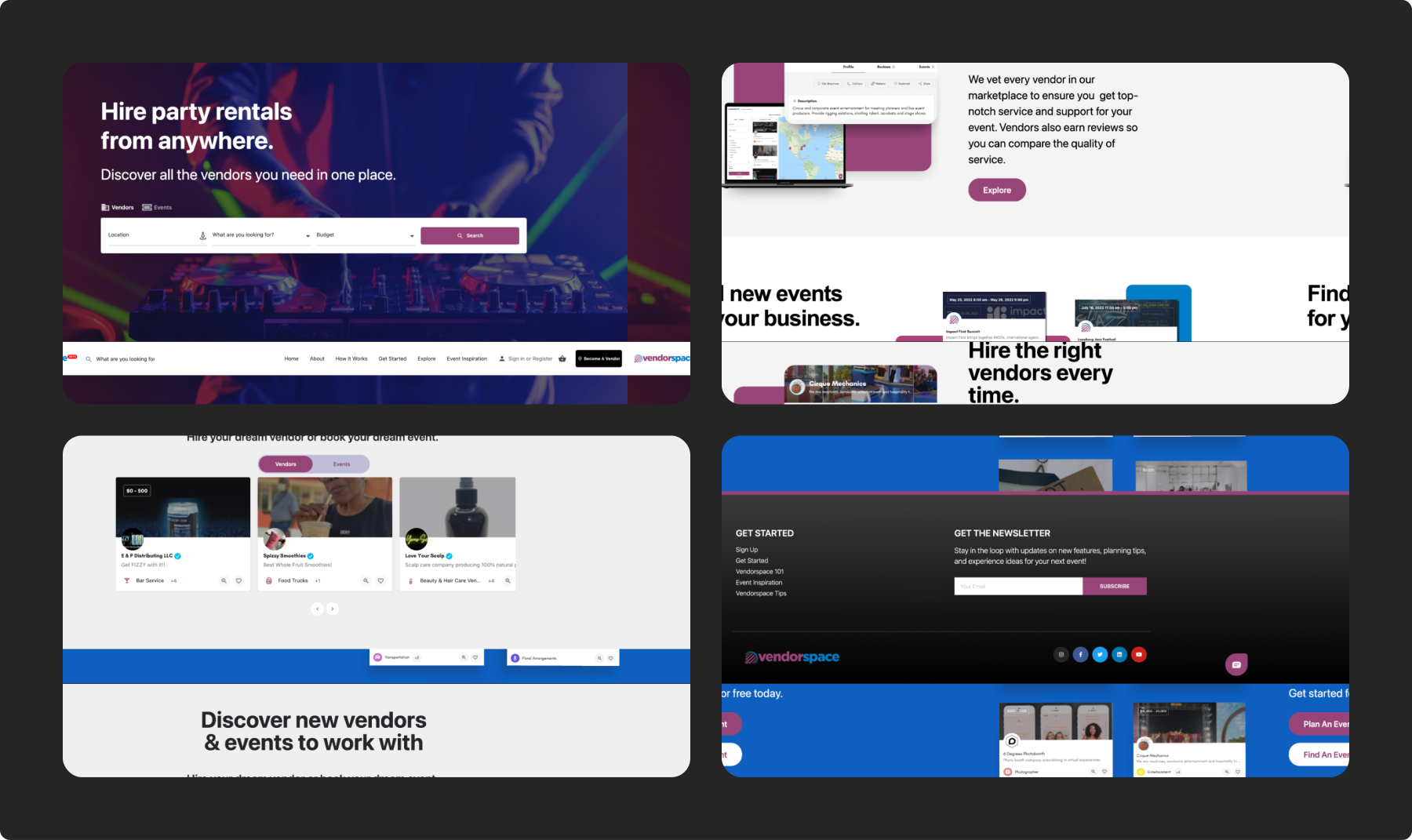
Vendorspace started as a vendor discovery directory. Event planners could browse and find vendors, but all hiring, payments, and coordination happened off-platform.
This created three business risks:
- No clear monetisation path — value was created but not captured.
- Low repeat usage — planners had no reason to return once they found a vendor.
- Trust breakdowns — disputes and scams happened outside the product.
The founder’s goal was to evolve Vendorspace into a transactional marketplace where:
- Event vendors could reliably and consistently find paid gigs.
- Event planners could safely and easily hire and manage vendors.
- The business could earn transaction revenue.
This required more than a visual redesign. It required new core workflows.
Identified user needs
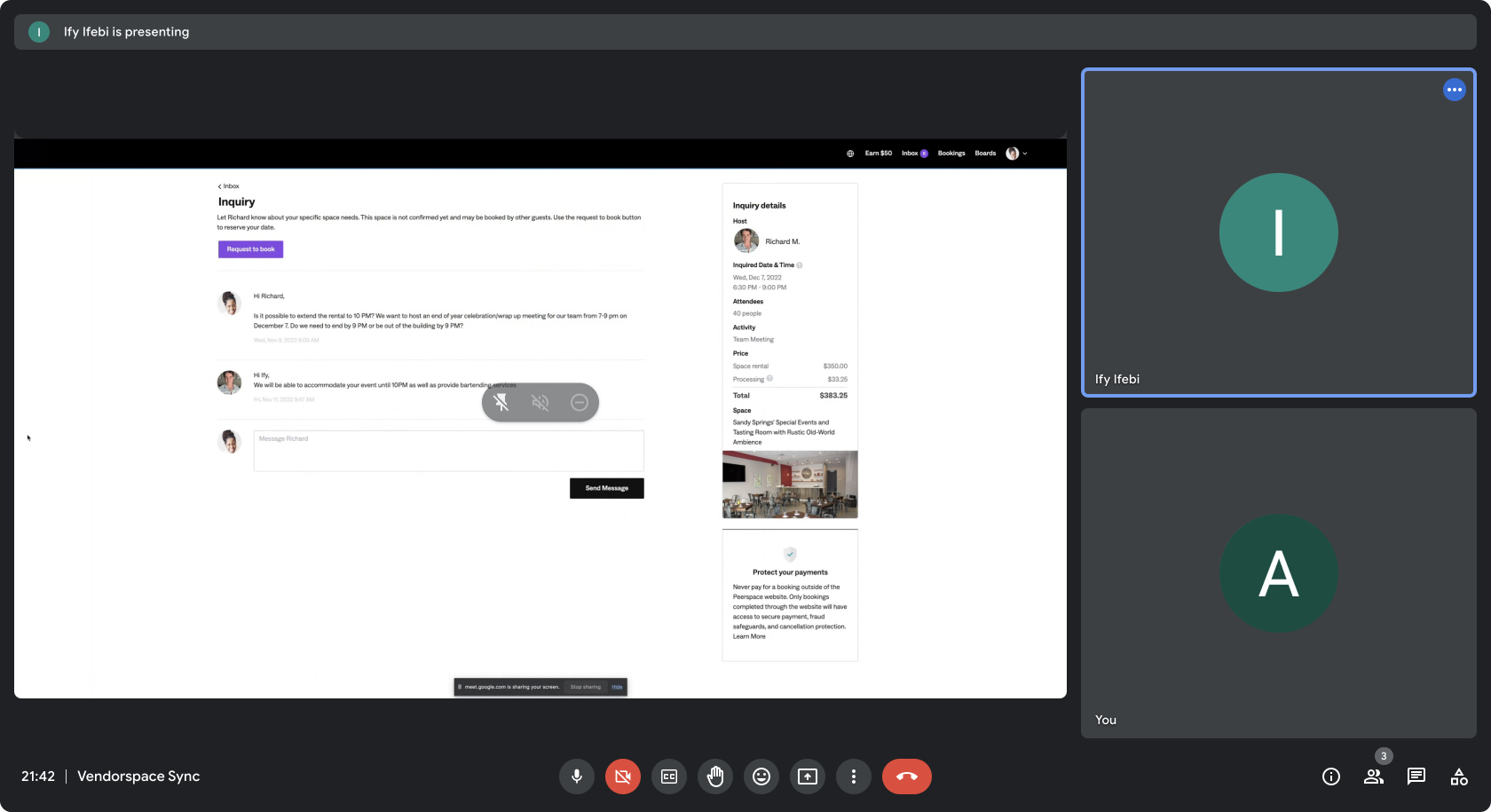
Through interviews with active event planners and vendors already listed on the platform, we found that the biggest blocker was:
Vetting, coordinating, and securing commitment.
Both sides lacked:
- Clear expectations
- Secure payments
- Reliable communication
This shifted the focus from improving browsing to designing a trusted hiring pipeline.
Product strategy & tradeoffs
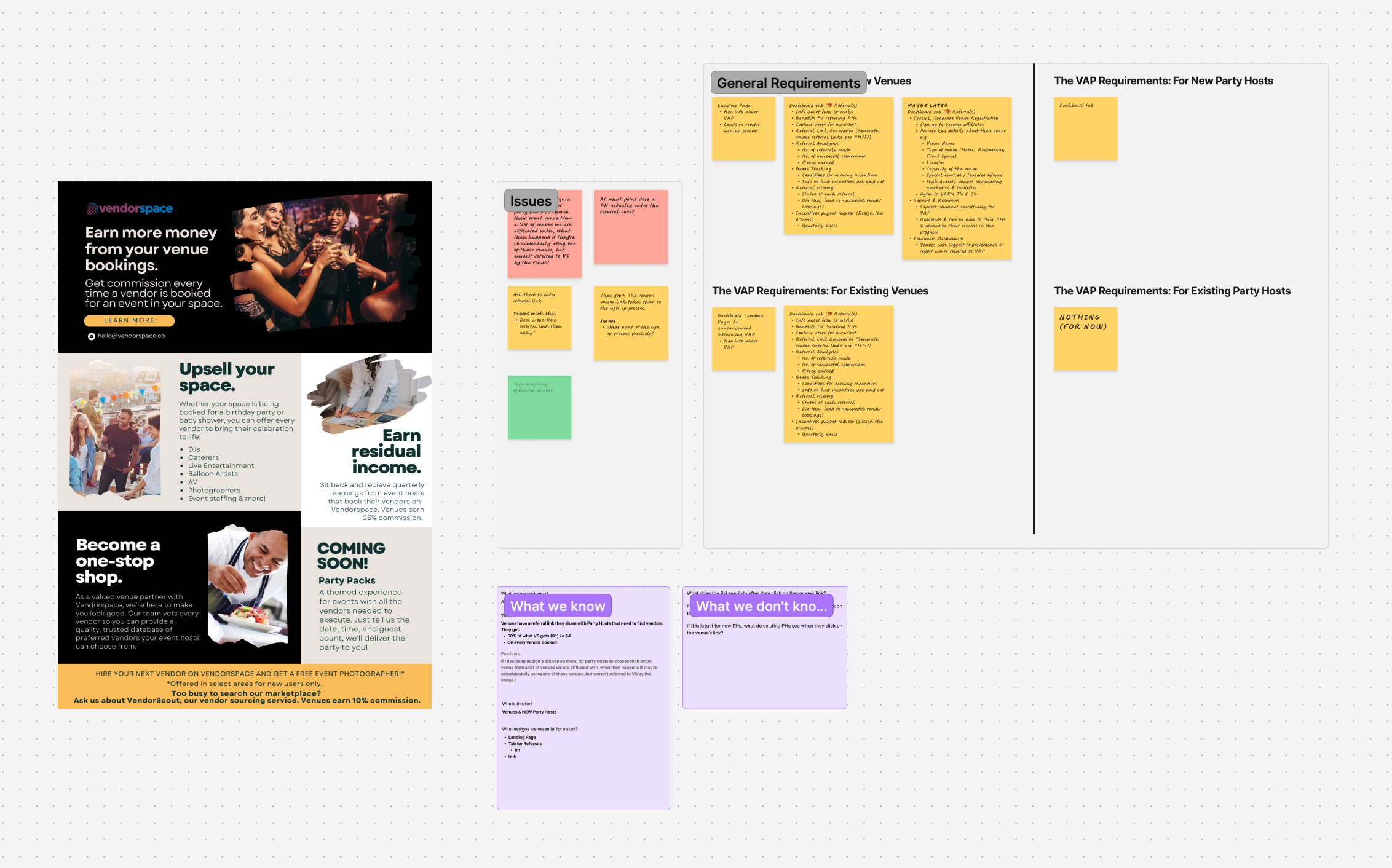
Given time and engineering constraints, we focused on three leverage points:
- Vendor quality control → step-based onboarding and approval
- Structured hiring → standardised event briefs and vendor responses
- Trust in transactions → escrow, payment visibility and status tracking
We intentionally did not build:
- Full event project management
- Advanced scheduling tools
- Negotiation features
Those would have delayed launch and didn’t directly support revenue activation
Our success metric was simple:
Can users complete and pay for hires inside the platform?
Key design solutions
Vendor Onboarding as a Trust Mechanism
- Progressive, multi-step flow
- Auto-filled predictable inputs
- Positioned onboarding as “approval for gigs”, not just sign-up
This balanced marketplace quality control with vendor conversion rates


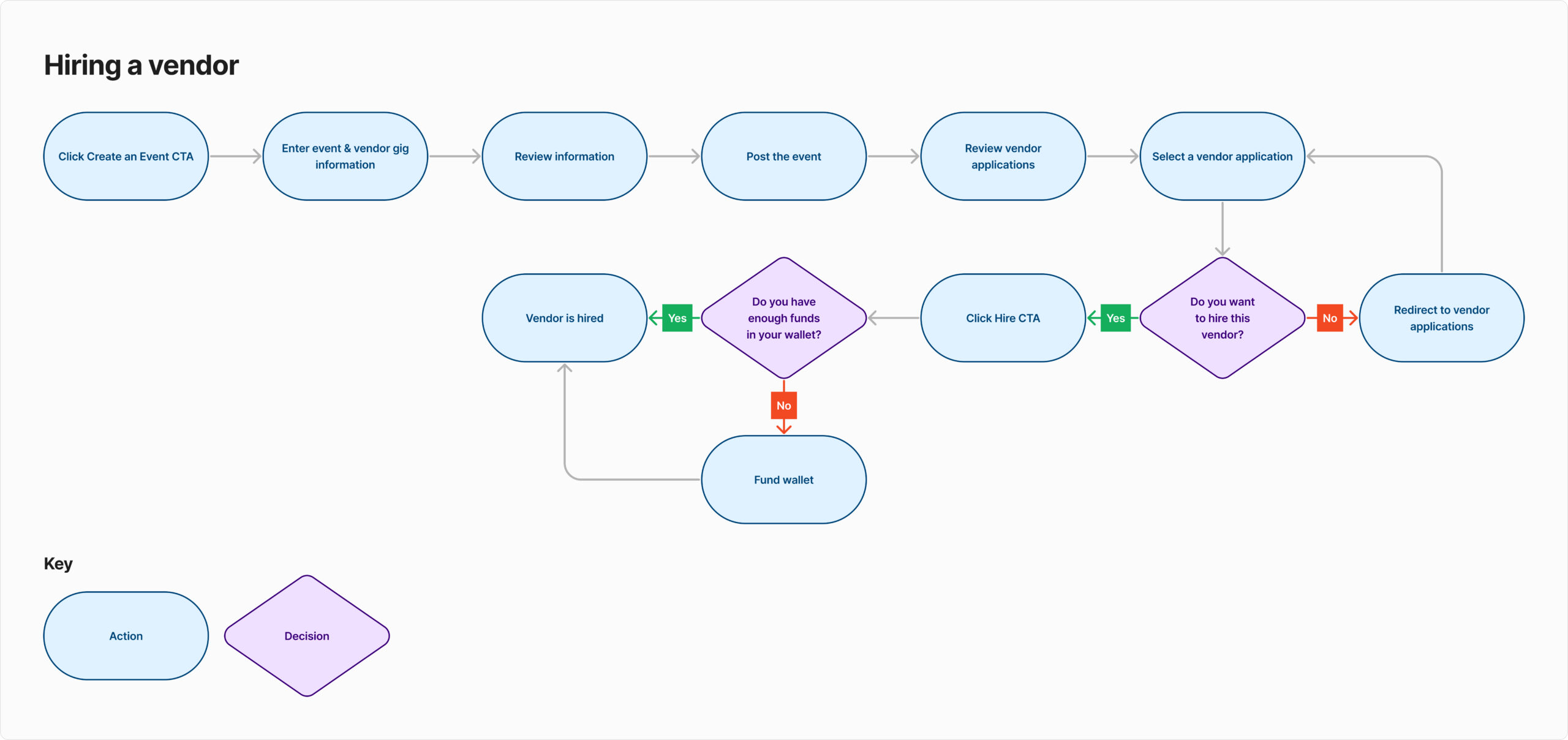
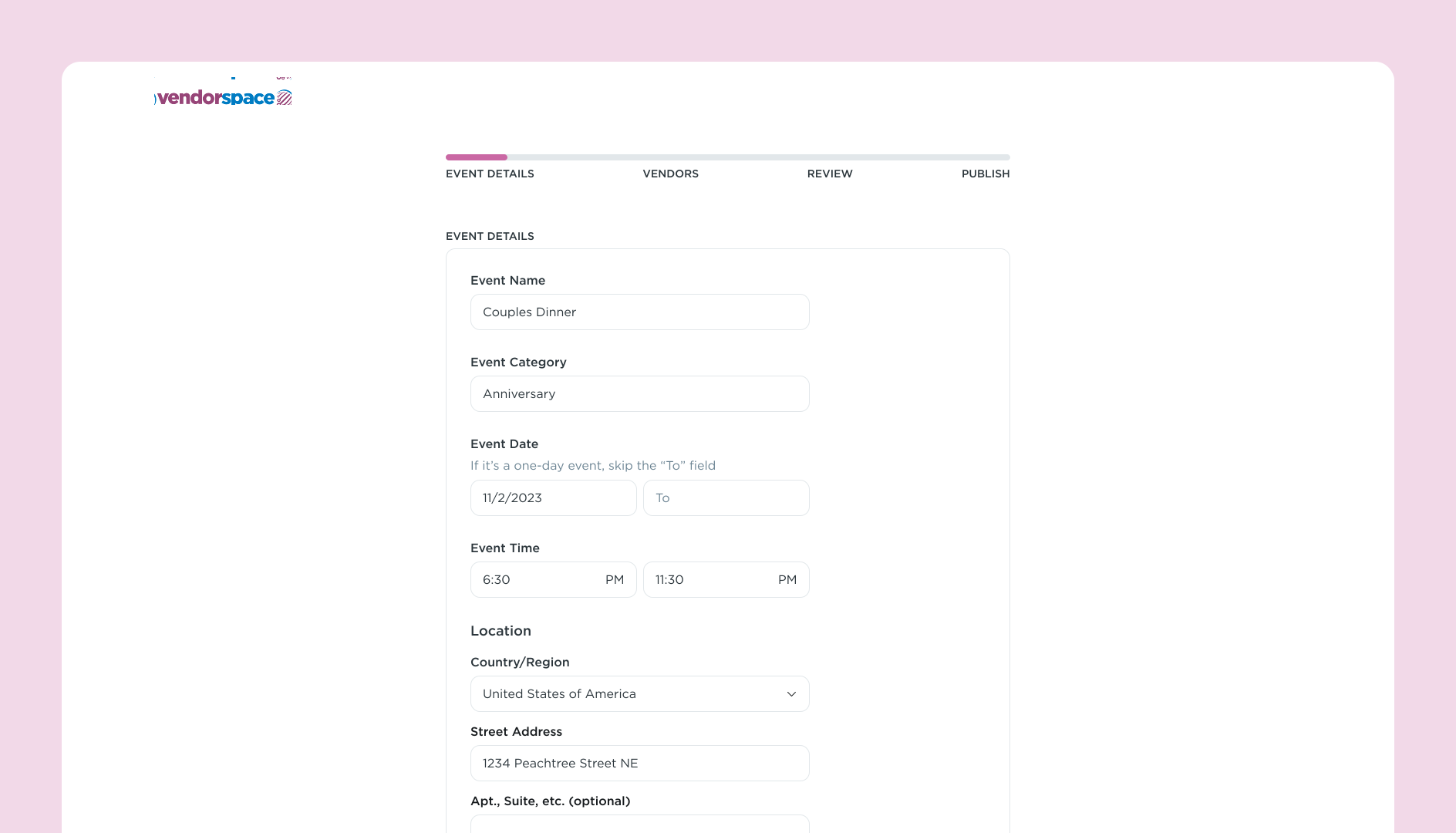
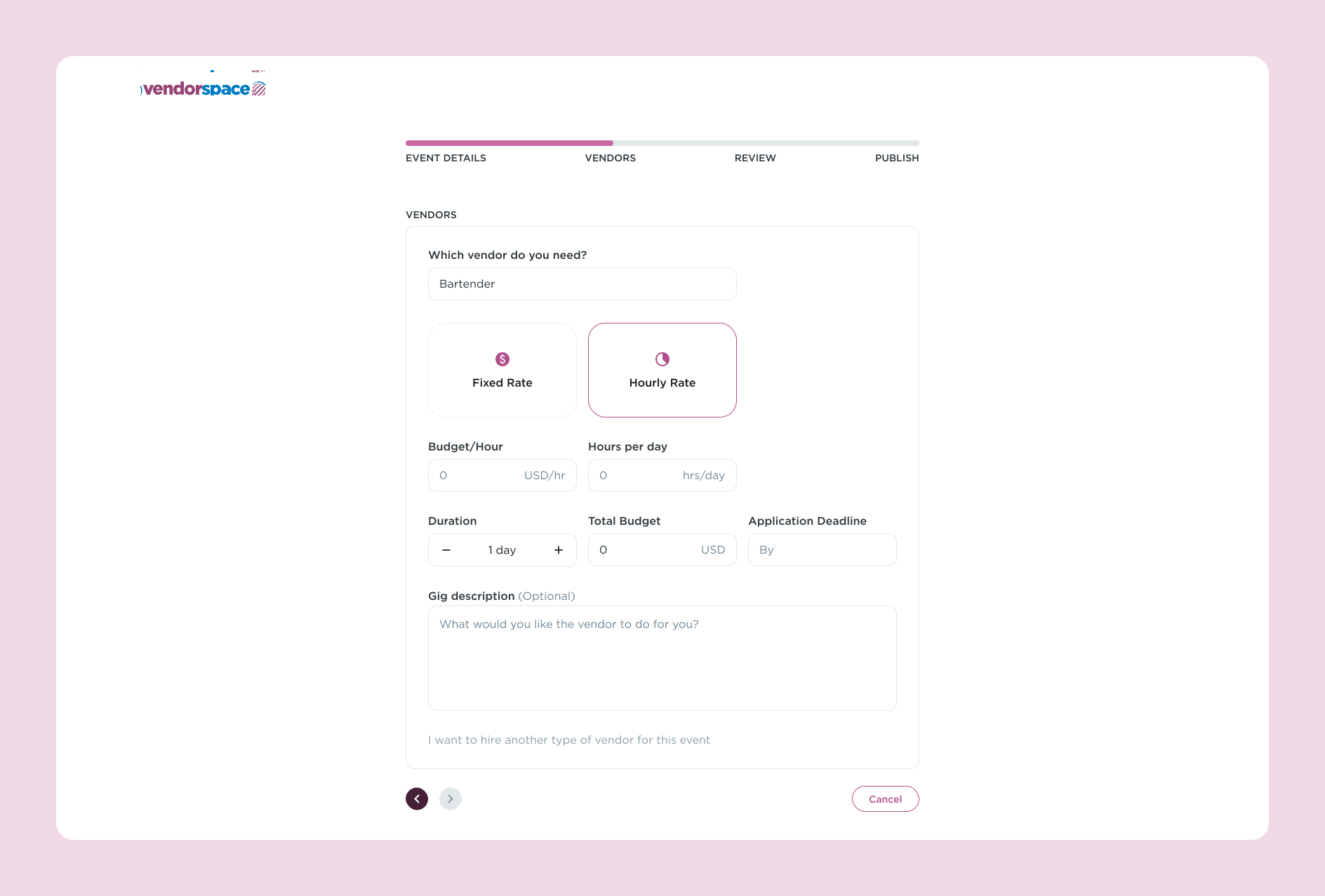
Event-Driven Hiring Flow
Instead of vendor-first browsing, we flipped the model so that:
- Planner submits event details
- Platform matches relevant vendors
- Vendors respond with pricing and availability
This reduced negotiation friction and standardised expectations.
Payments & Escrow as Core UX
Trust was a conversion barrier, so the wallet design focused on:
- Clear escrow milestones
- Transparent fund holding
- Explicit release conditions & next steps
This supported conversion by lowering perceived risk and support dependency.
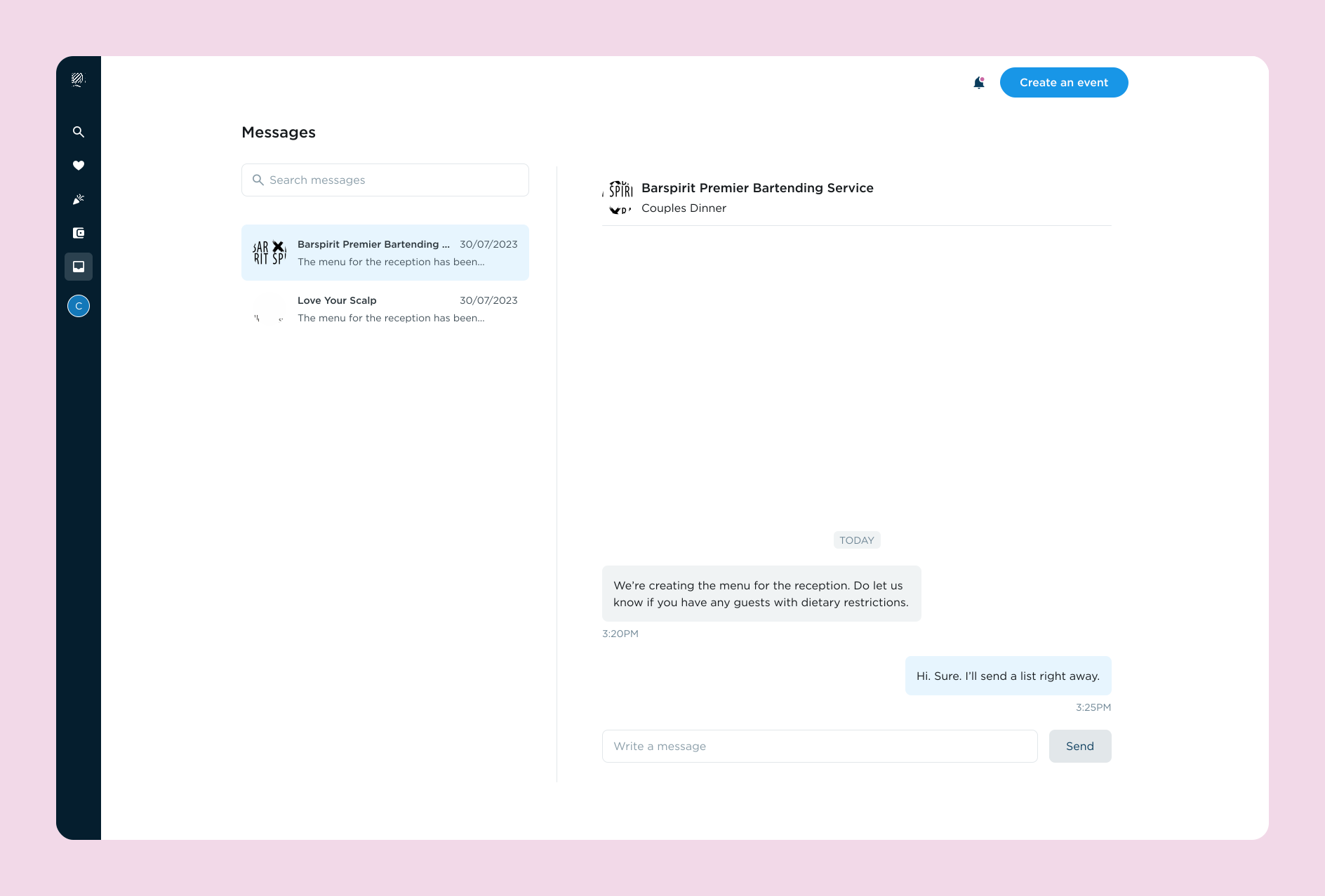
Event-Linked Messaging
Messaging was tied to specific bookings to:
- Anchor conversations to specific events to preserve context
- Reduce off-platform coordination
- Improve accountability
Design system & delivery efficiency
To support fast iteration with engineers:
- I documented reusable components early
- Standardised spacing, typography and inputs
- Reduced one-off UI patterns
This improved:
- Dev handoff speed
- UI consistency across new workflows
- Ability to iterate without visual regressions
Results & Impact
Within the first month of launch:
- +26% increase in vendor onboarding completion rate (from sign-up start to approval)
- 681 completed vendor-hiring transactions initiated through the platform
- Launched the company’s first transaction-based revenue stream
The product shifted from:
“Find vendors here”
to
“Run your hiring here”
What I’d improve next
- Earlier engineering involvement during discovery to reduce late-stage adjustments and rework
- Smarter vendor matching using reputation scoring, response time weighting and past performance signals